create now
Storyboard Examples
Real storyboard examples created by film directors, commercial filmmakers, and creative teams using Drawstory. This page showcases how professionals turn scripts into clear visual plans across different formats - from movies and TV shows to commercials, animation, and comics.
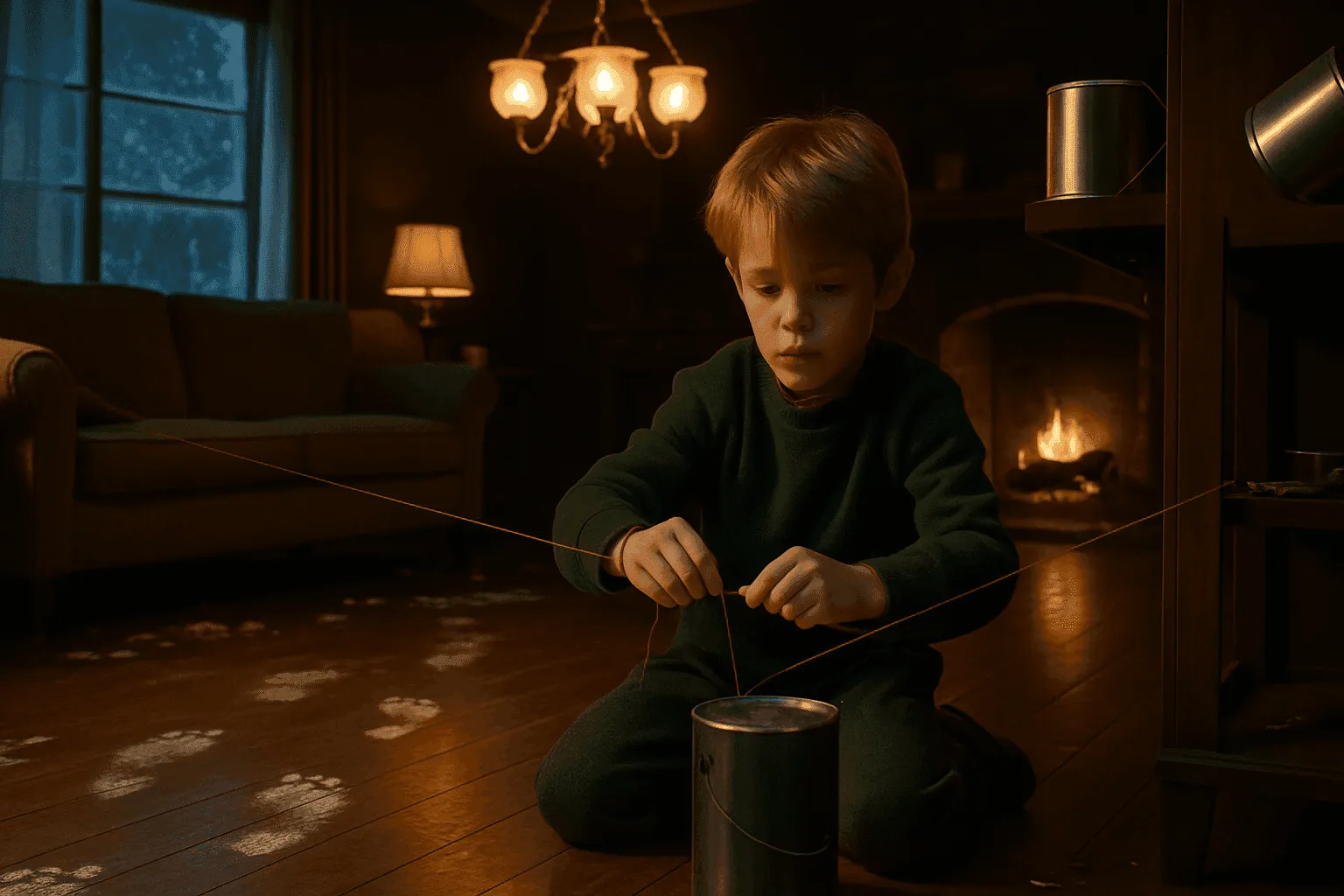
Movie Storyboard Examples
These movie storyboard examples show how directors visualize scenes before production - defining camera angles, pacing, blocking, and emotional beats.
Movie storyboards are often used during:
- Script breakdowns
- Pre‑production planning
- Pitch decks for investors and producers
- Pre‑visualization for complex scenes
With Drawstory, directors create movie storyboards directly from scripts, iterate quickly, and maintain visual consistency across scenes - without prompts.
Explore movie storyboard examples created with AI.
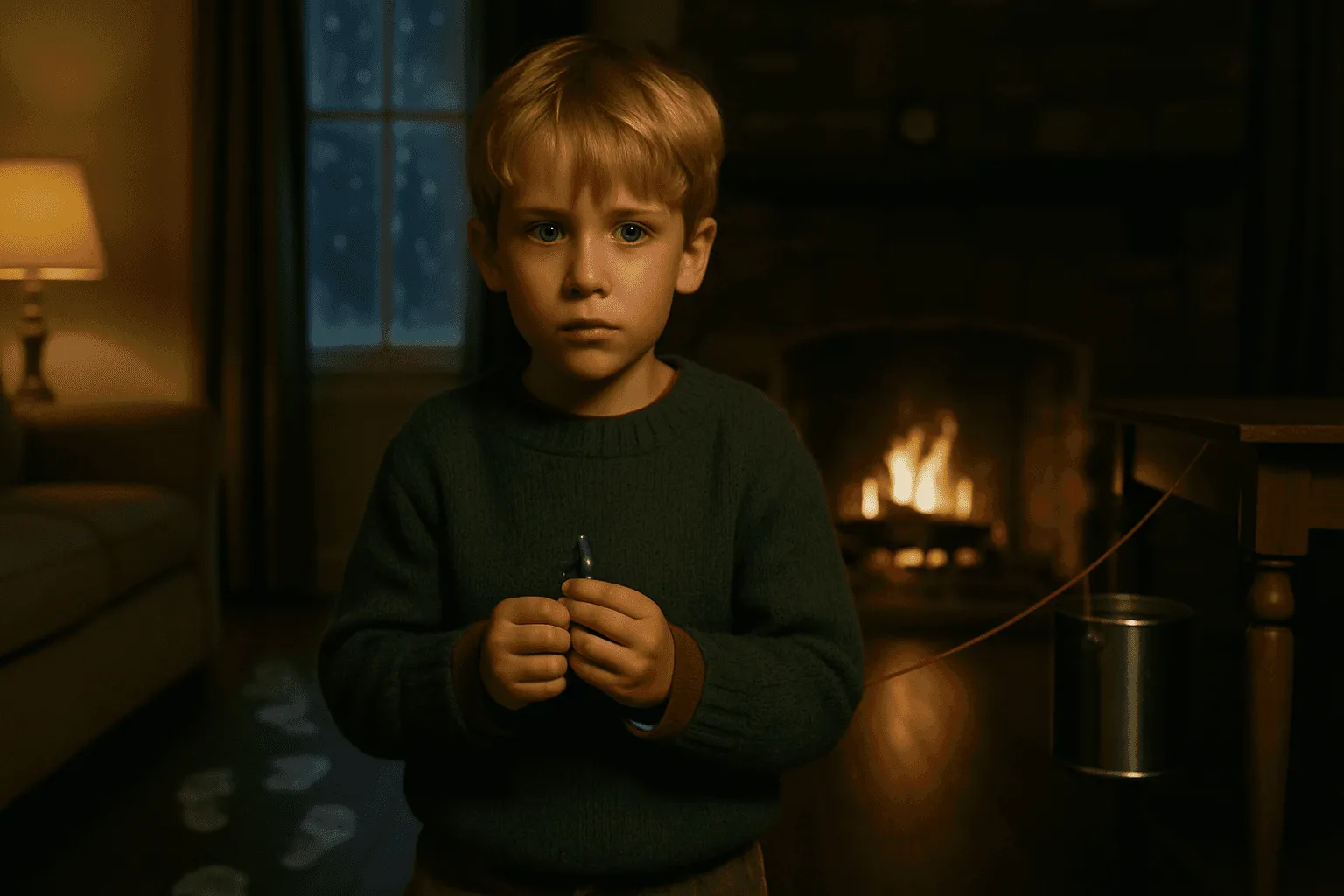

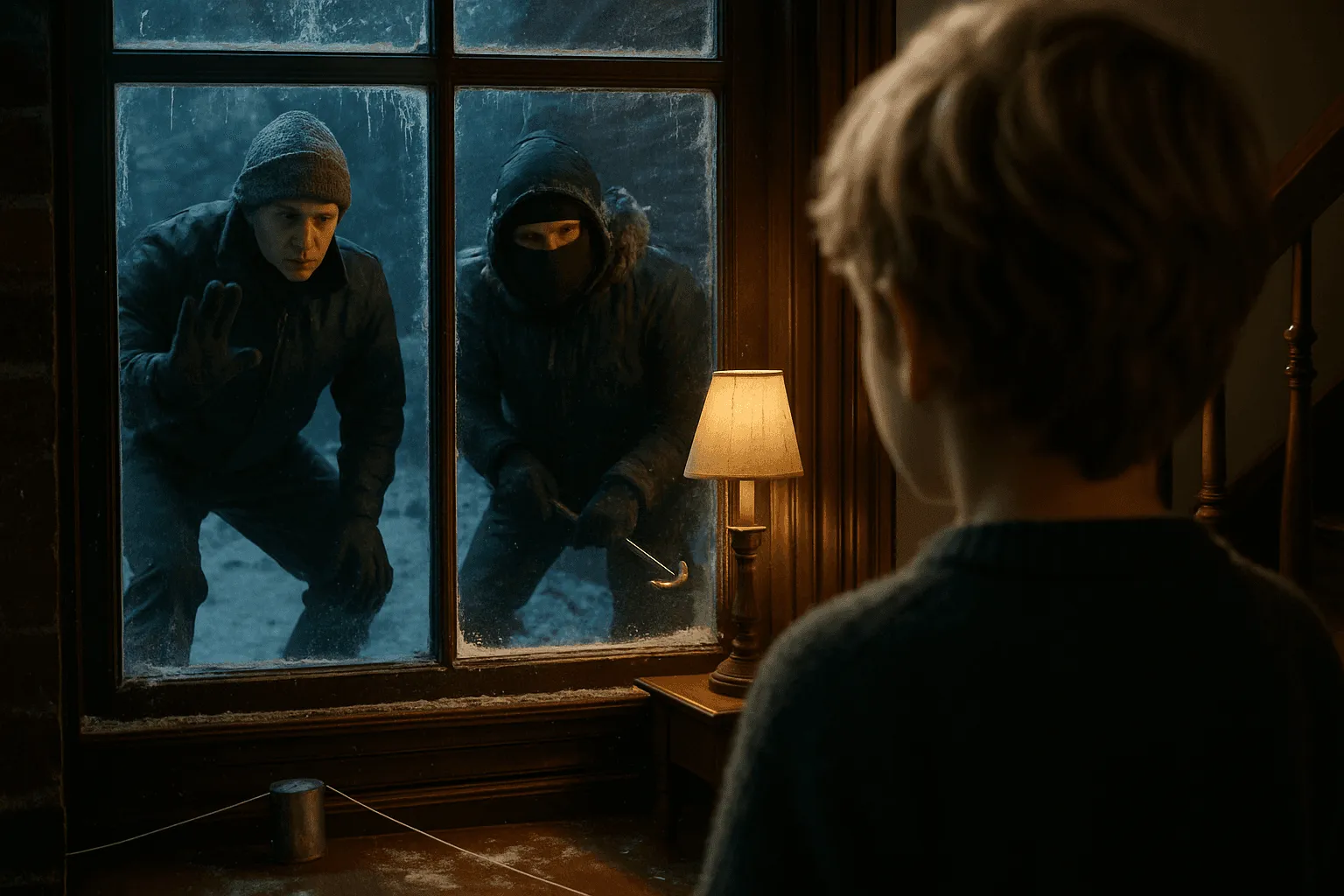

TV Storyboard Examples
TV productions require speed, clarity, and repeatable workflows. These TV storyboard examples demonstrate how directors and showrunners plan episodic content efficiently.
TV storyboards help teams:
- Align directors, DPs, and editors
- Maintain visual language across episodes
- Plan coverage under tight schedules
Drawstory allows TV directors to generate, edit, and reuse storyboard styles across episodes and seasons.
View TV storyboard examples from real productions.
Commercial Storyboard Examples
These commercial storyboard examples show how agencies and directors pitch ideas, plan shots, and sell concepts to clients.
Commercial storyboards are critical for:
- Client approvals
- Brand alignment
- Shot-by-shot production planning
- Cost and time estimation
Using Drawstory, filmmakers create professional commercial storyboards in minutes, making it easier to test multiple creative directions before shooting.
See commercial storyboard examples created by agencies and directors.
Animation Storyboard Examples
Animation relies heavily on storyboards. These animation storyboard examples illustrate how creators plan motion, timing, and storytelling long before animation begins.
Animation storyboards are used for:
- Films and short animations
- Series and web content
- Explainers and branded animation
Drawstory helps animation teams visualize scenes early, adjust pacing, and collaborate before committing to full production.
Browse animation storyboard examples built with AI.
Comics & Visual Narrative Examples
Comics combine storytelling and composition. These examples show how creators use Drawstory to explore comic‑style storyboards and visual narratives.
Comic storyboards are useful for:
- Graphic novels
- Visual storytelling experiments
- Concept development and pitching
Drawstory makes it possible to explore layouts, framing, and story flow - even without prompting skills.
Explore comic‑style storyboard examples.
Why Directors Use Drawstory for Storyboards
Behind a film, game, or animation, there are 100–1,000 hand‑drawn scenes. Drawstory helps directors previs films, movies, and commercials.
With Drawstory, you can:
- Create storyboards from scripts
- Generate consistent characters and styles
- Edit and iterate scenes instantly
- Create storyboards for movies, TV, commercials, animation, and comics.
Create Storyboard Now
Create Your Own Storyboard Examples
Inspired by these storyboard examples? Use Drawstory to turn your script into a professional storyboard.



