Sign Up
10 Best Higgsfield Alternatives for Storyboarding in 2026
Author:
Narek Ghazaryan
Date:
August 18, 2026
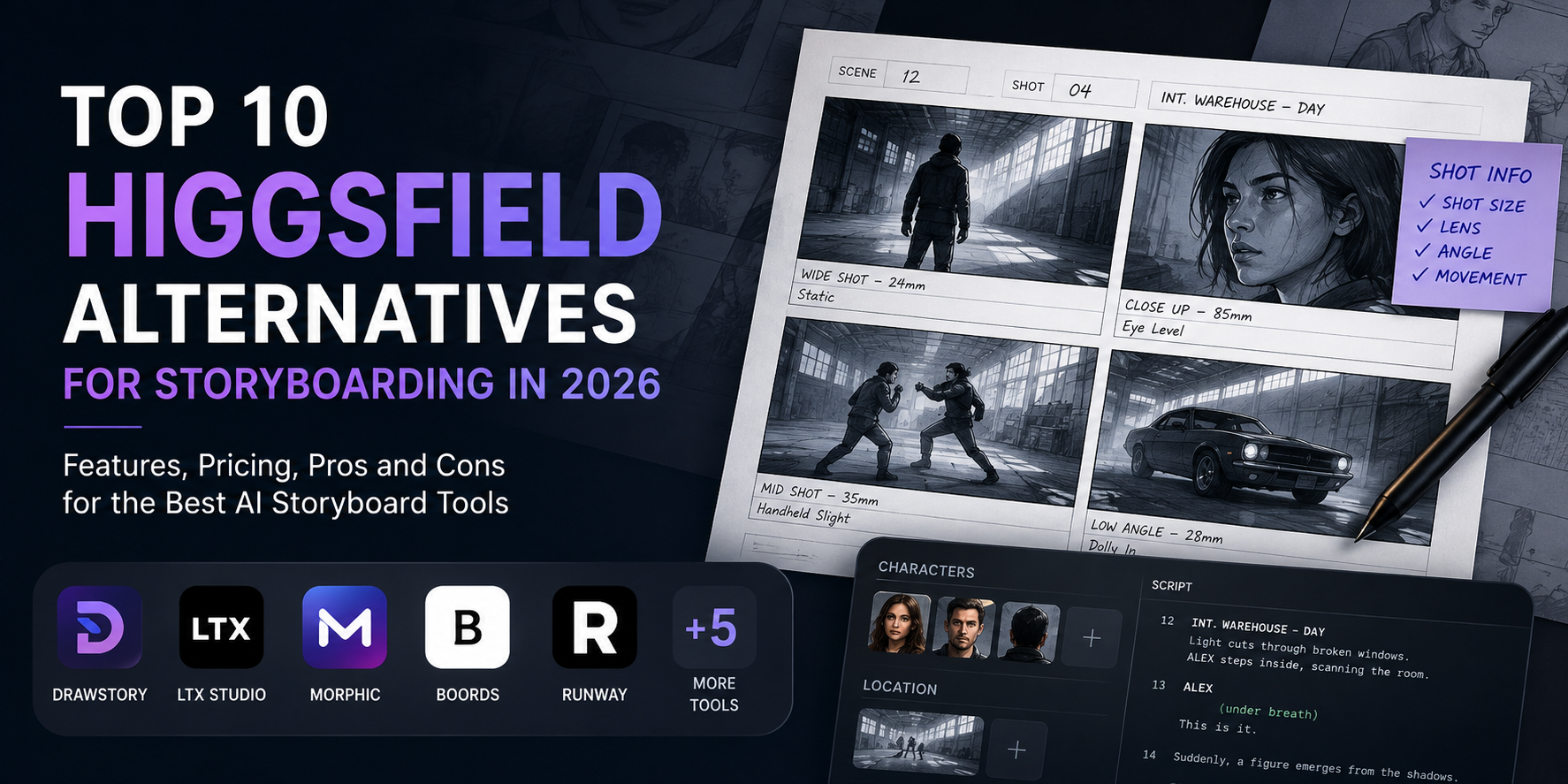
Top 10 Higgsfield Alternatives for Storyboarding: Features, Pricing, Pros and Cons
Higgsfield is a capable AI video platform with camera presets, multi-model generation, and a storyboarding tool called Popcorn. But filmmakers who need script-based panel generation, locked character identity, and structured camera metadata per shot often find themselves searching for higgsfield alternatives that are built for pre-production, not just clip creation.
The AI video generator market is projected to grow from USD 847 million in 2026 to USD 3.35 billion by 2034 at 18.8% CAGR (Fortune Business Insights). As this market expands, the best higgsfield alternatives are the ones that match your specific workflow. This guide compares 10 higgsfield alternatives for storyboarding with features, pricing, pros and cons for each AI storyboard tool.
Why Filmmakers Look Beyond Higgsfield for Storyboarding
Higgsfield handles cinematic clip generation well. The gap shows up in pre-production planning. These three storyboarding needs push filmmakers toward higgsfield alternatives that are purpose-built for the AI storyboard generator workflow:
• Script-based panel generation: Higgsfield does not parse a screenplay and generate panels scene by scene. Filmmakers with a finished script need a tool that reads the document and builds the storyboard from it.
• Character identity lock: Keeping a character's face, wardrobe, and body consistent across 50 or 100 panels requires a locked reference system. Without one, every panel looks like a different person. The best AI storyboarding tools solve this with fixed character sheets.
• Camera and production metadata: A storyboard that reaches the DP and AD needs shot size, lens, angle, and movement data per panel. Higgsfield's Popcorn feature does not include this level of structured annotation.
How These Higgsfield Alternatives Compare
This table compares storyboarding capabilities across all 10 higgsfield alternatives. The focus is on what matters for pre-production.
The 10 Best Higgsfield Alternatives for Storyboarding
1. Drawstory
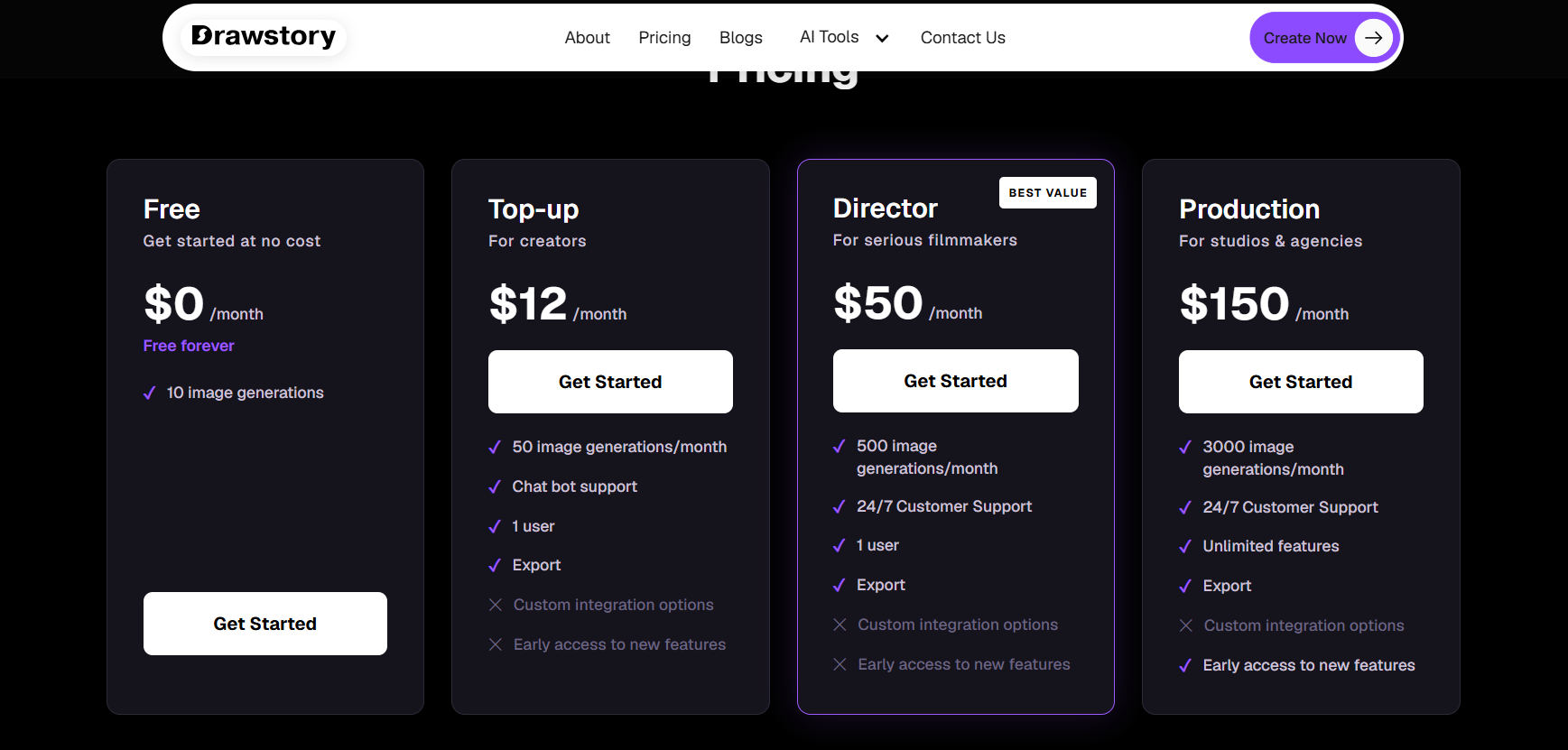
Among all higgsfield alternatives for storyboarding, Drawstory is the strongest option for filmmakers who start with a script. Upload a screenplay, and Drawstory generates illustrated storyboard panels with character blocking, cinematic composition, and camera angles through its script to storyboard engine. AI character design locks identity across every panel. Each panel includes shot size, lens, angle, and movement as structured metadata.
• Pros: Script parsing, locked character identity, camera metadata per panel, fast generation
• Cons: Focused on storyboarding and pre-production, not full video editing or clip generation
2. LTX Studio
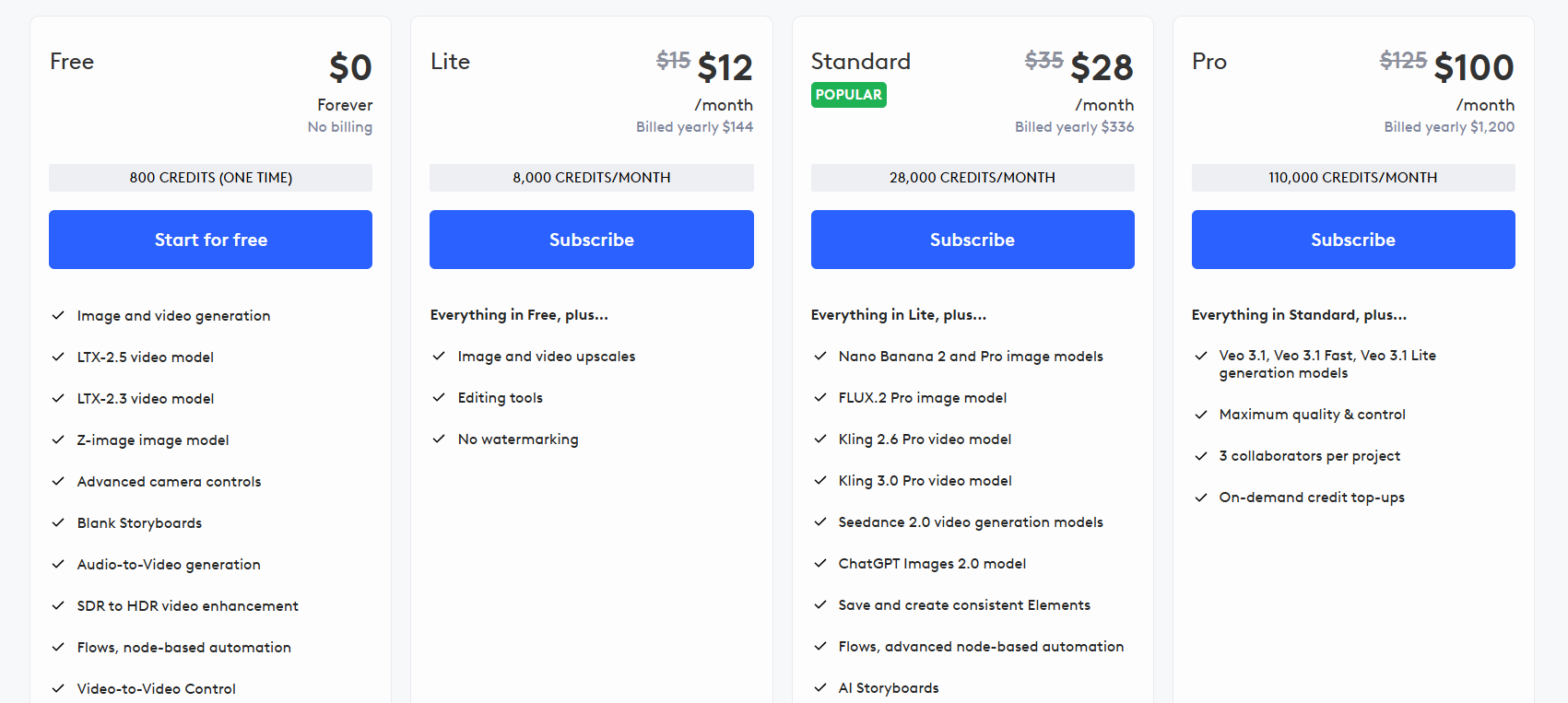
LTX Studio by Lightricks runs the full pipeline from storyboard through editing and export. The storyboard creation process connects directly to video generation using LTX models, Veo, and Kling. Reusable characters through Elements maintain identity across scenes. Exports reach 4K with audio. Free tier available, paid plans from $24/month.
• Pros: End-to-end storyboard to export, character consistency via Elements
• Cons: Top models locked to highest tier, less focused on storyboard metadata
3. Morphic
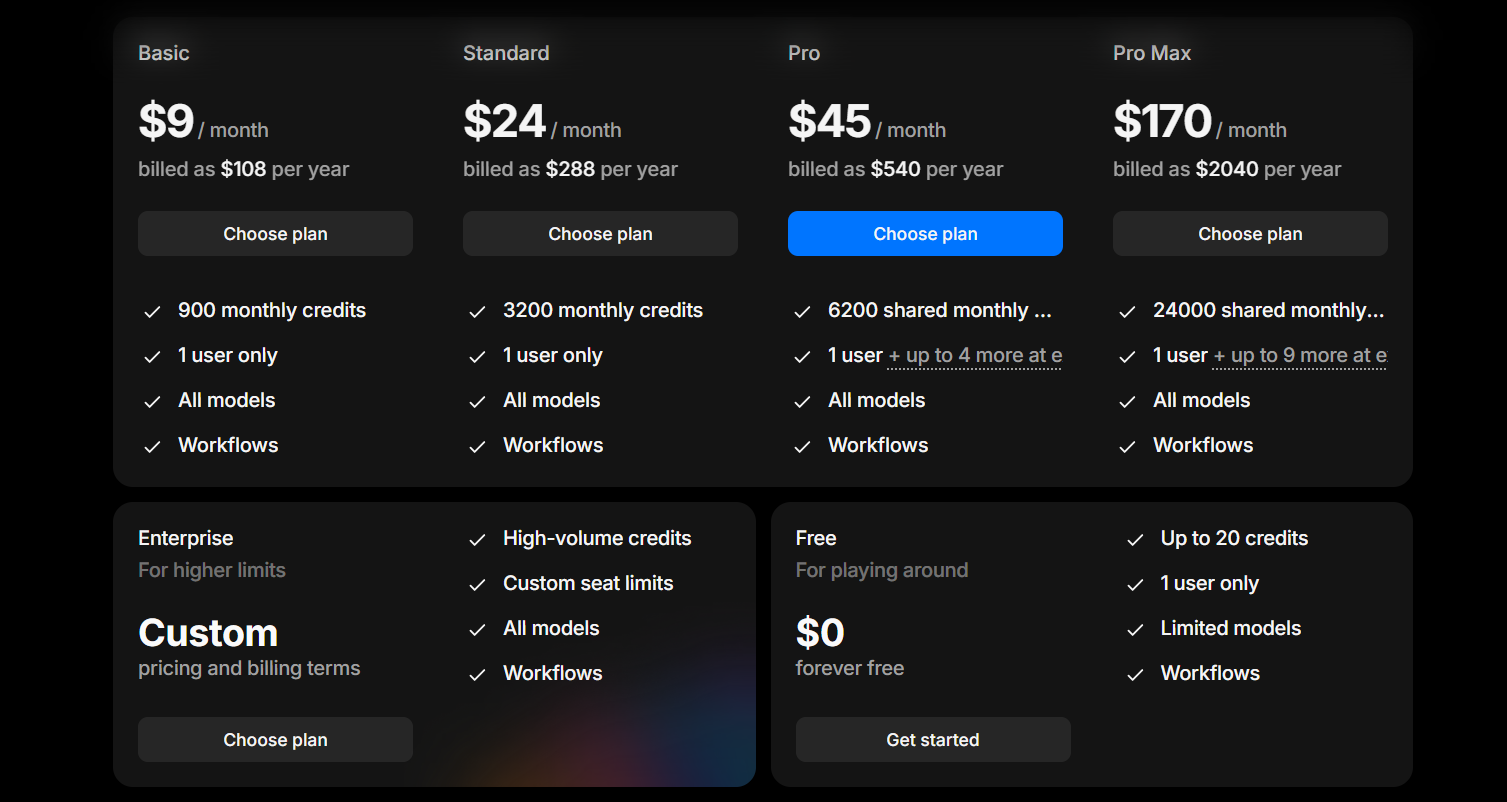
Morphic pairs an AI copilot with multi-model video generation and a built-in timeline. The copilot accepts a brief, plans shots, picks models, and runs generations in parallel. Reference sheets keep characters consistent. Among higgsfield alternatives focused on AI video production, Morphic stands out for its agentic approach. Free tier available, paid from $9/month.
• Pros: Agentic workflow, broad model access, team collaboration on shared canvas
• Cons: Storyboarding is part of a broader platform, not the primary focus
4. Boords
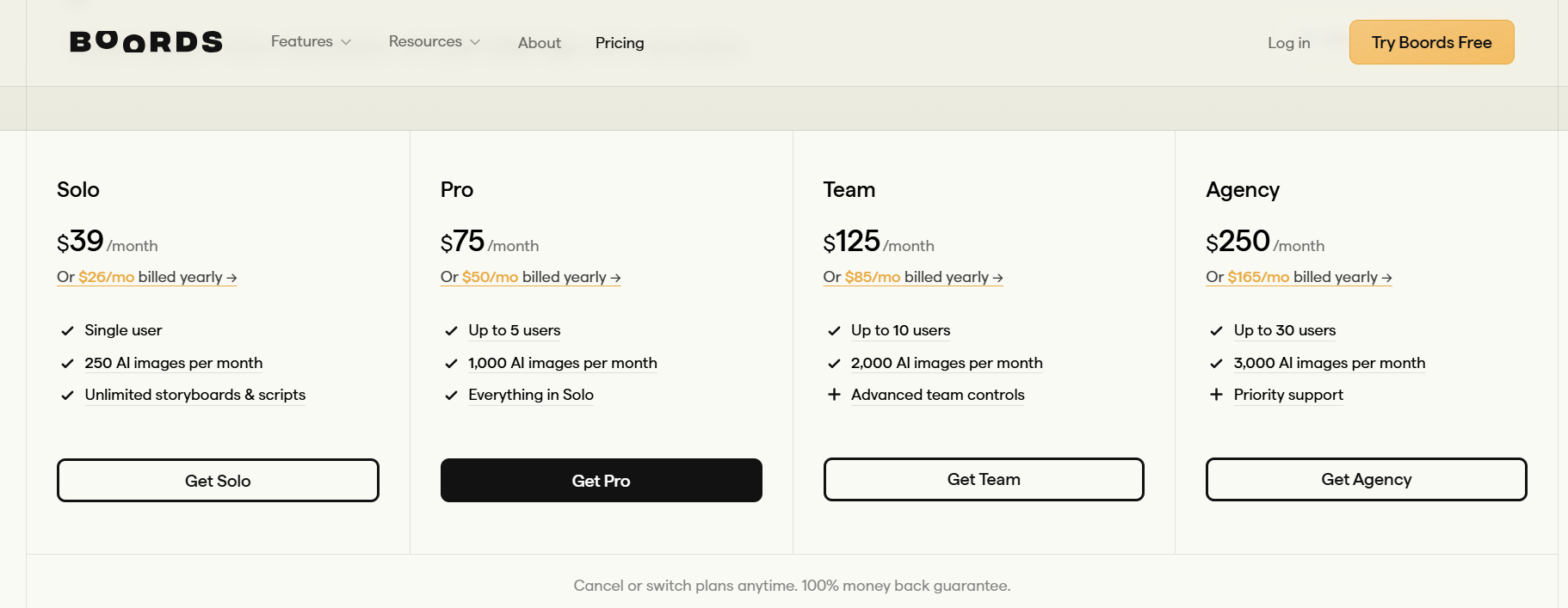
Boords is a web-based storyboard tool built for frame-by-frame planning and team review. Create panels manually, add descriptions and dialogue, organize scenes, and share with collaborators for feedback. Unlike most higgsfield alternatives on this list, Boords has no AI generation. It is a manual storyboarding tool. Plans from $24/month.
• Pros: Purpose-built storyboard interface, clean collaboration workflow
• Cons: No script parsing, no AI panel generation, all panels created manually
5. Runway
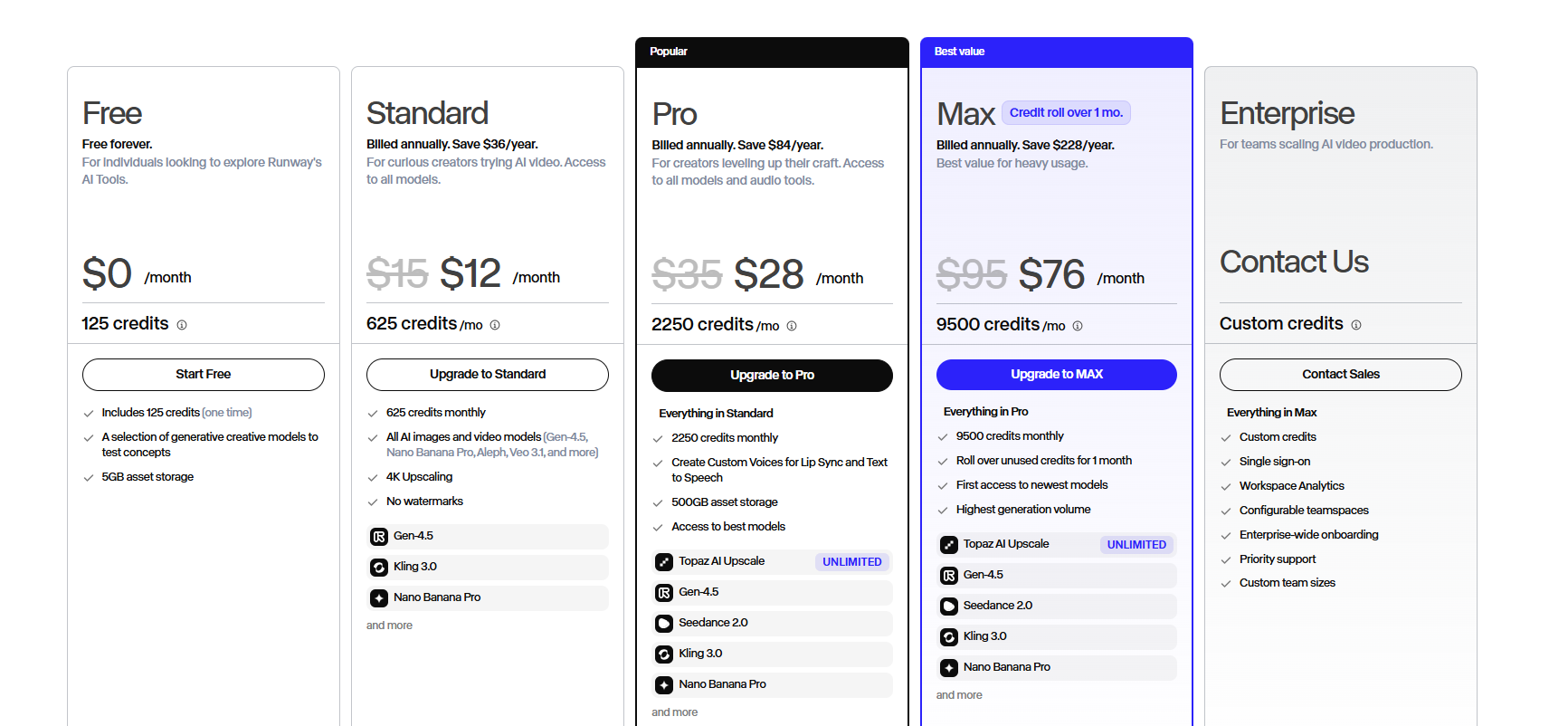
Runway pairs Gen-4.5 video generation with in-context editing and a multi-clip timeline. Strong for producing cinematic AI clips, but no dedicated storyboard workspace. Build a cinematic storyboard externally, then generate and edit footage in Runway. Free tier, paid from $12/month.
• Pros: Best-in-class video generation quality, powerful editing tools
• Cons: No storyboard planning layer, credit-based pricing for generation
6. Canva
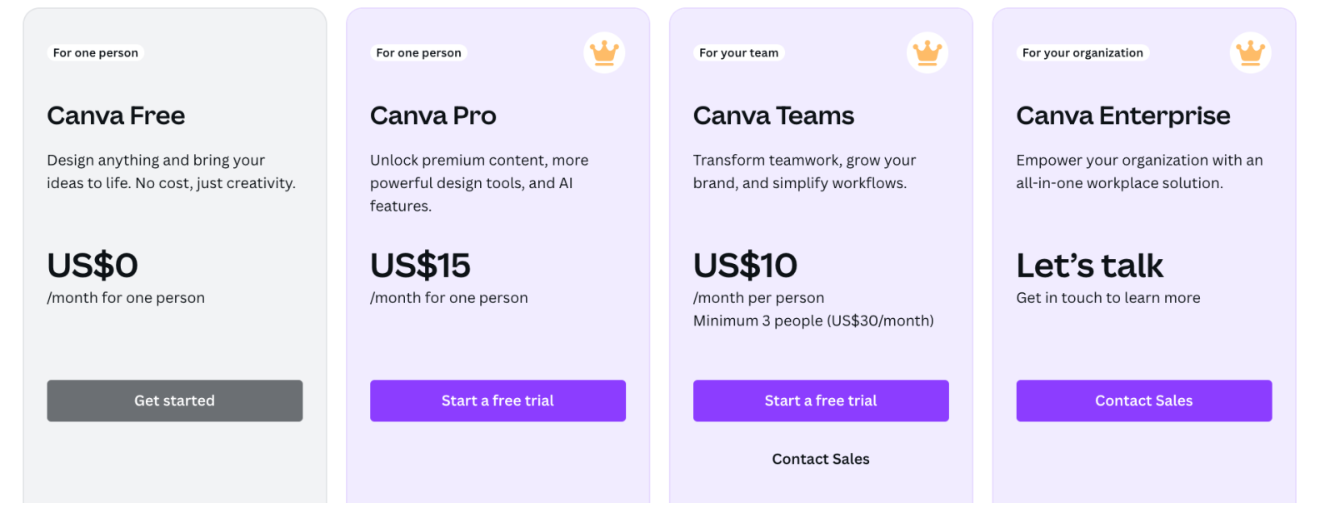
Canva offers a library of storyboard template layouts with drag-and-drop editing. Panels are customizable with text fields, uploaded images, and icons. Free tier and Pro at $15/month.
• Pros: Free access, large template library, familiar interface
• Cons: No script parsing, no character lock, no camera metadata, designed for graphic design
7. Kling AI
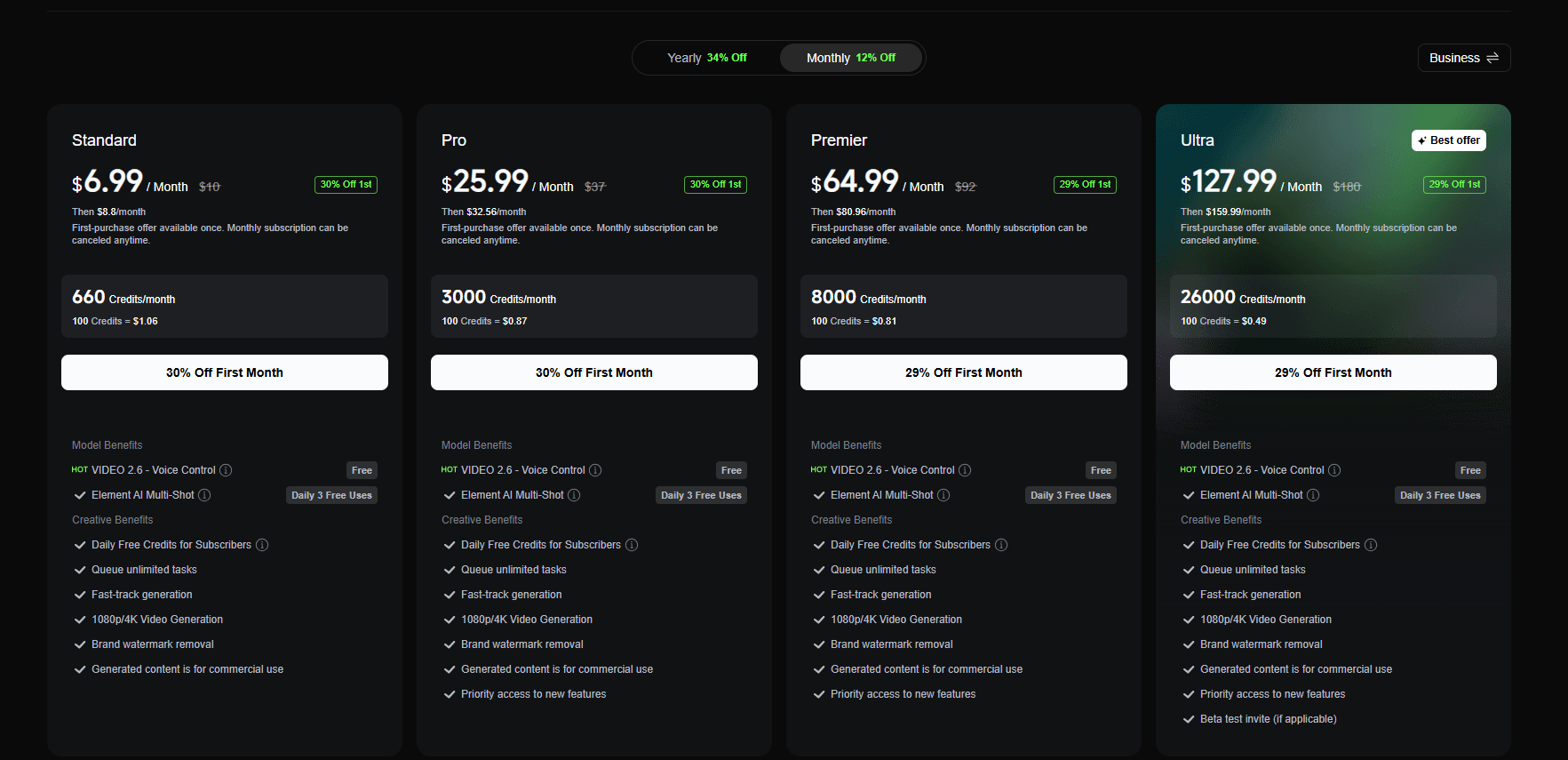
Kling AI produces realistic AI video clips with strong character motion and physics. Useful for generating reference footage or testing shot ideas before building the full storyboard. Camera angles are controlled through prompts, not structured panel fields. It is one of the most affordable higgsfield alternatives for pure clip generation. Credit-based pricing from approximately $7/month.
• Pros: Class-leading realism in generated clips, affordable entry price
• Cons: Clip generator only, no storyboard workspace or production metadata
8. Storyboard Pro by Toon Boom
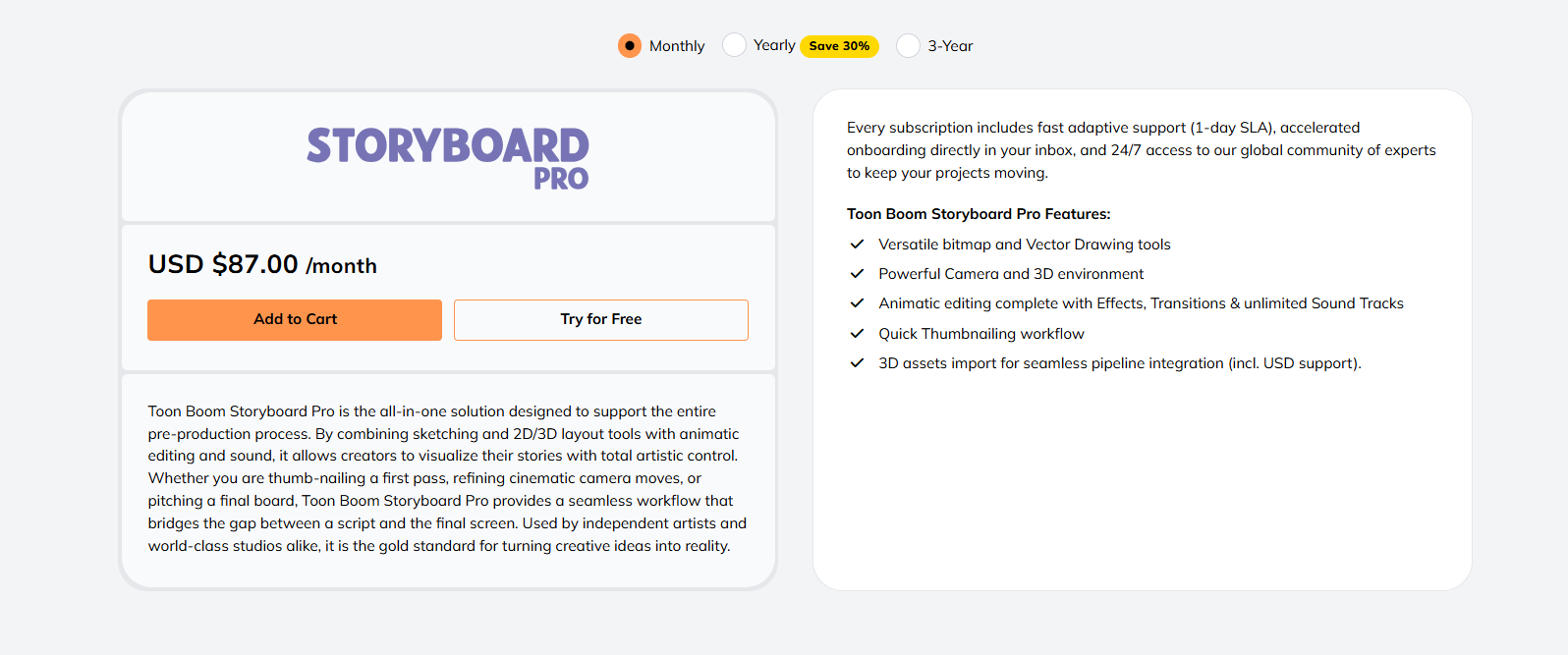
Storyboard Pro is the industry-standard professional storyboard software used in animation studios. Hand-draw panels with built-in drawing tools, manage layers, and export to animatics. One of the alternatives to traditional storyboarding that predates AI entirely. Subscription from approximately $28/month.
• Pros: Most powerful traditional storyboard tool, deep animation pipeline integration
• Cons: Steep learning curve, no AI generation, requires strong drawing ability
9. Pika
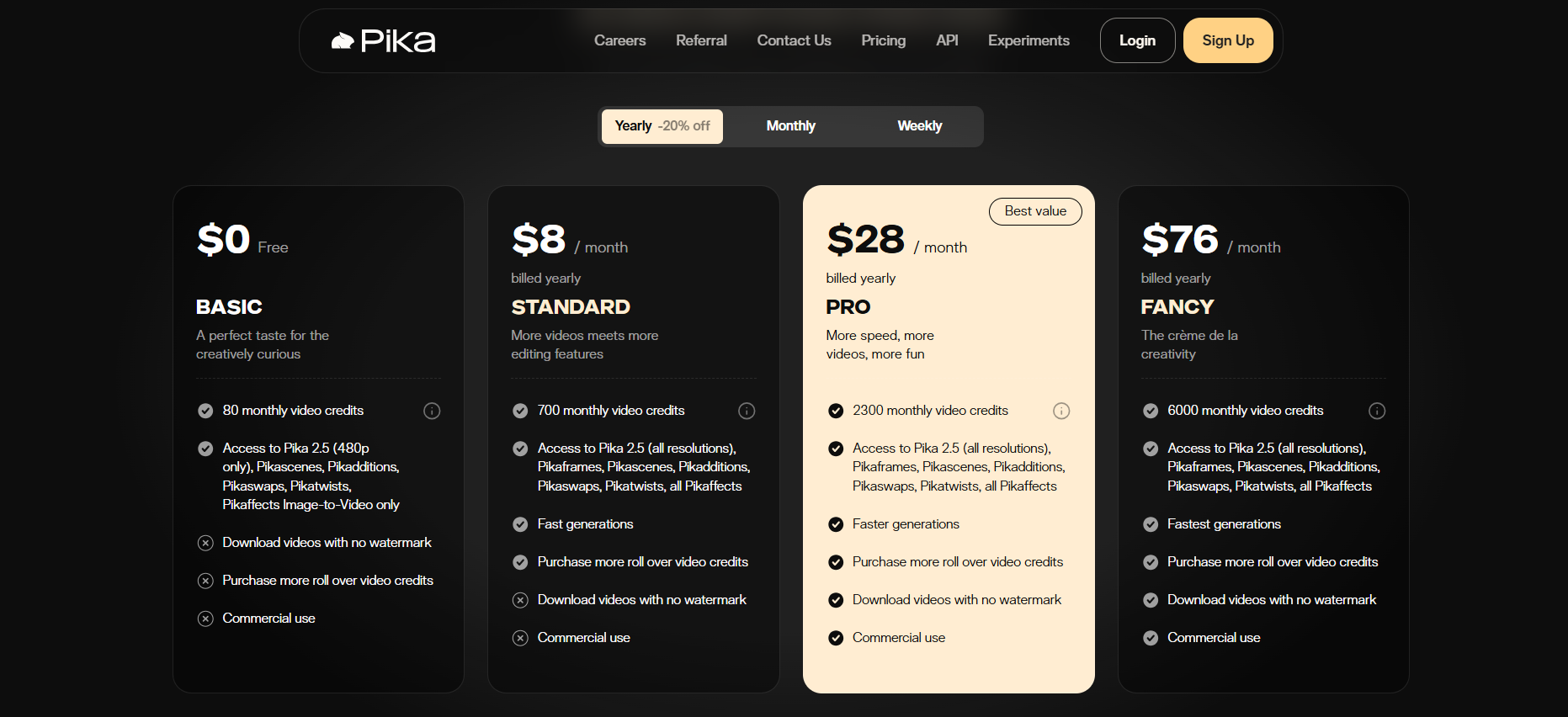
Pika generates stylized short-form video with effects like Pikaffects and keyframe transitions. It is a creative clip tool built for social content, not a storyboard platform. Useful for quick visual experiments, but not for production planning. Free tier, paid from $8/month.
• Pros: Creative motion effects, low cost, fast iteration for short-form content
• Cons: No storyboarding features at all, social-first focus, no production metadata
10. Krea AI
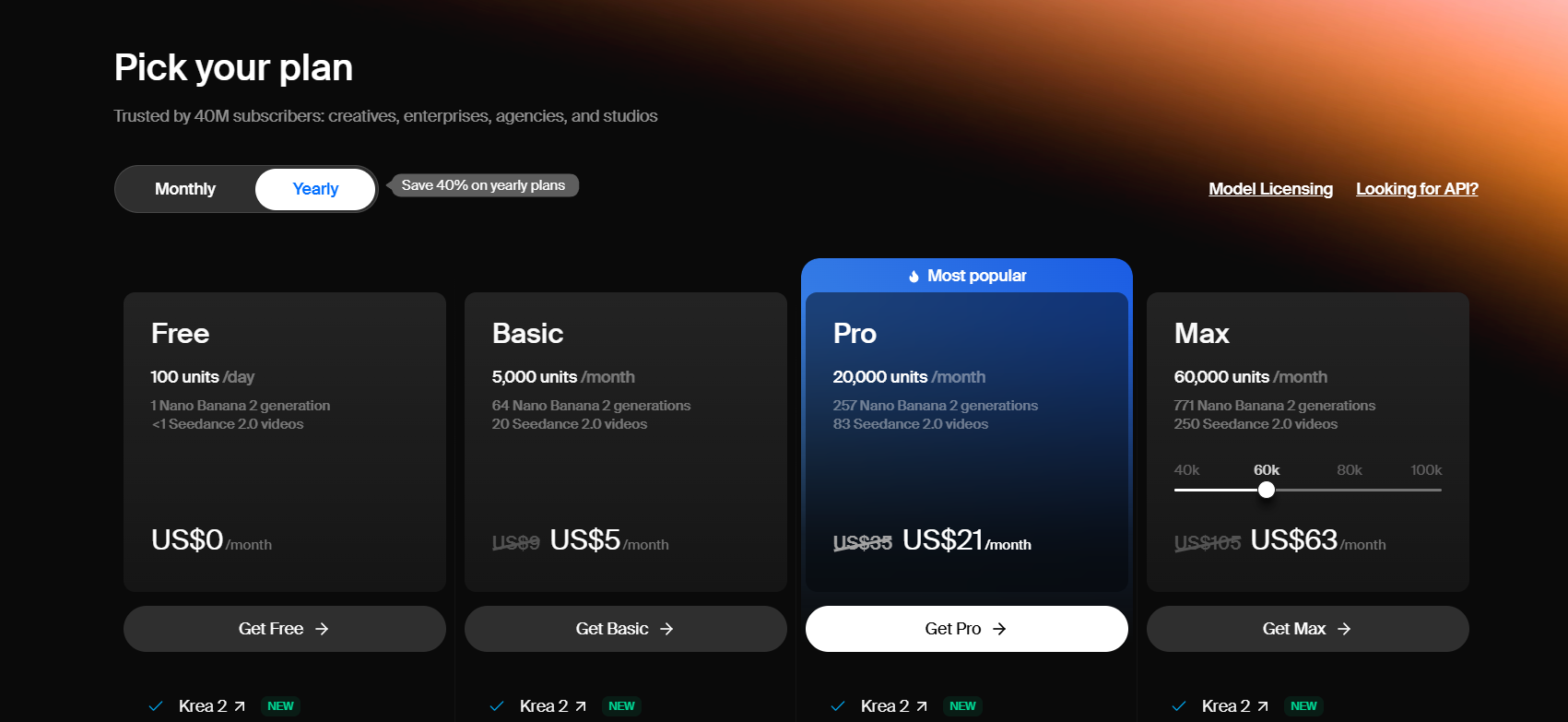
Krea AI is a real-time multi-model studio that generates images and video as you type or draw. Supports multiple reference inputs for consistency. No storyboard planning or timeline editing. Free tier available.
• Pros: Real-time generation and feedback, best-in-class upscaling, broad model access
• Cons: No storyboard workspace, no panel sequencing, no shot metadata
11. Pixo
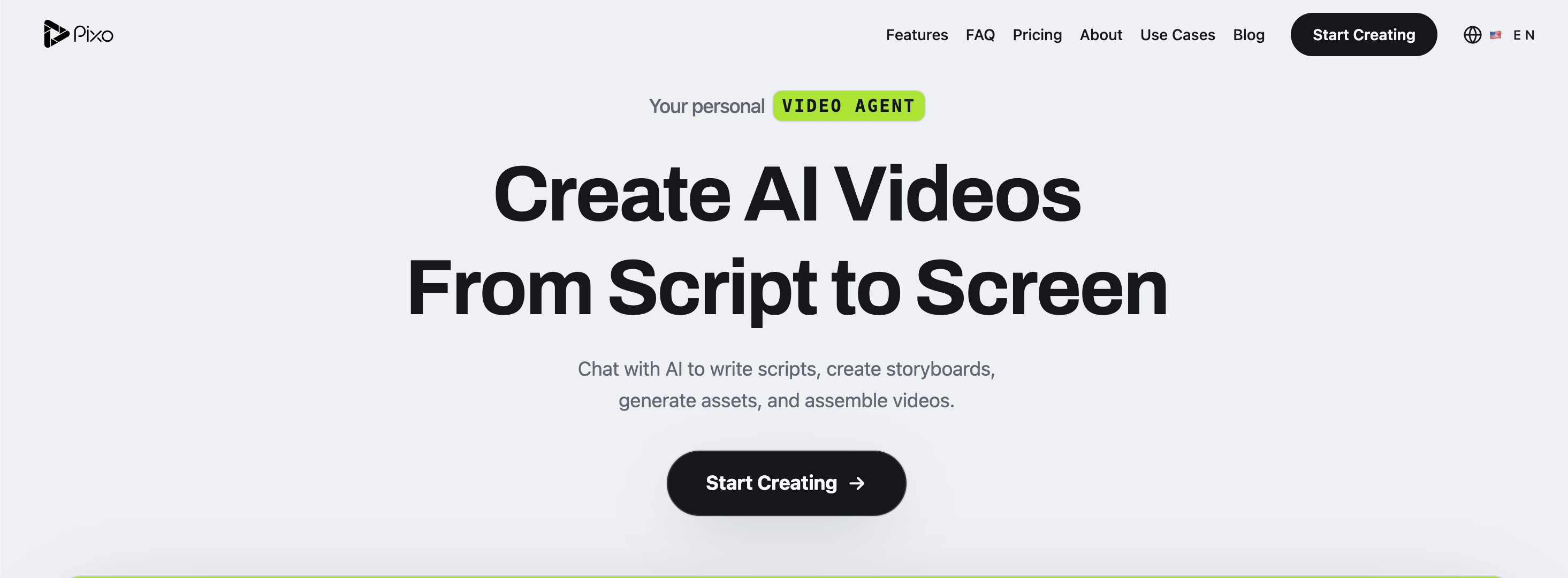
Pixo is an AI video agent you direct through conversation. Describe your idea, then chat to develop the script, build a storyboard, and turn it into a complete video with visuals and audio. Ask for changes in plain language - from revising a scene to adjusting a shot—or fine-tune the edit in the timeline
Find the Right Higgsfield Alternative for Your Production
Not every higgsfield AI alternative handles storyboarding the same way. If your production starts with a script, Drawstory generates storyboard panels with locked characters, camera metadata, and production-ready output. Upload your screenplay and start free.
Frequently Asked Questions
Got Questions?
Find clear answers to common questions about Drawstory, our services, process, and how we bring your ideas to life.
What is the best higgsfield alternative for storyboarding?


Are there free higgsfield alternatives?
Can AI generate storyboards from a script?
What should I look for in an AI storyboard tool?
Can I use my own characters in a Higgsfield alternative for storyboarding?



