Sign Up
How filmmakers create storyboards with AI in 2026
Author:
Anne Grigoryan
Date:
December 23, 2025
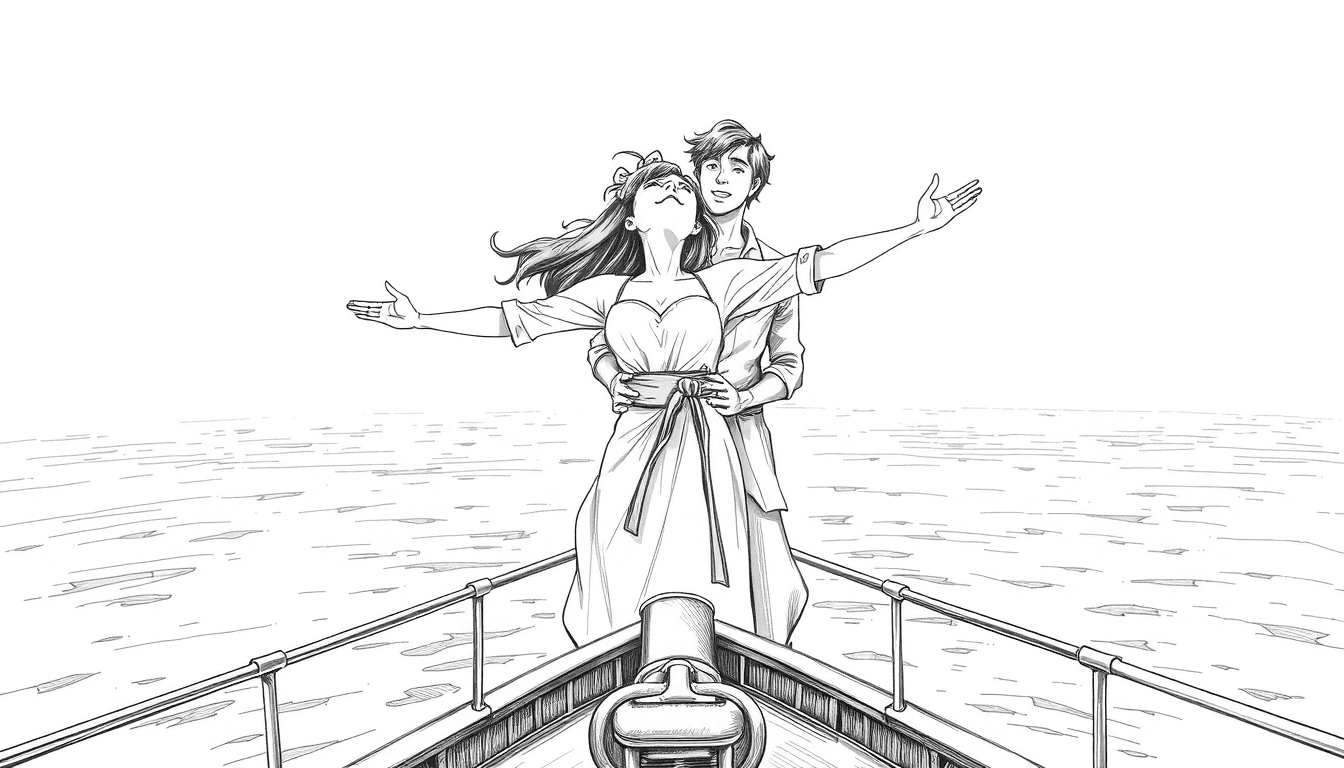
This article explores how filmmakers create storyboards with AI and benefit from technological advancements. From entrusting projects to storyboard AI to transforming scripts into visuals, AI is revolutionizing the way storyboards are conceptualized and executed.
The AI Storyboard Artists: Is Creativity Dead?
When it comes to AI storyboard artists, one of the first questions that often arises is: What happens to creativity? After all, storyboarding has long been a deeply human process and an inseparable part of filmmaking - requiring imagination, a personal touch, alignment with the scriptwriter's ideas, and collaboration with film directors. Far from it.
AI as a Creative Partner, Not a Replacement
If AI Storyboard Artists are not replacing human creativity and work - Why To Compete?
Think of them as collaborators rather than competitors. If a company hires several storyboard artists in the same department, should they hate each other and compete? Should they join forces to get shared value? Should they exchange with the knowledge and experience each has?
AI storyboard artists are often being paired with powerful tools like AI script generators to handle repetitive, technical tasks, such as converting scripts into visuals or generating multiple style variations. This allows filmmakers to focus on adding creativity and refining their vision. AI Script Generators are equipped with script-to-scene breakdown feature, allowing them to analyze the script, suggest visual elements, camera angles, and even dialogue cues that match with the tone and style of the project.
Transforming Ideas Into Visuals
One of the most groundbreaking aspects of creating storyboards with AI is its ability to quickly interpret a filmmaker's ideas. For instance, an AI storyboard artist can transform a rough scene description into a detailed visual with minimal input. This is the best option possible for films having tight deadlines and low budgets. This instant translation of ideas into visuals empowers filmmakers to experiment and iterate at a much faster pace. An AI script generator can turn vague ideas into structured scripts. This step is very important for AI-powered tools, as the right script structure determines the quality of the final storyboards.
But what exactly does the right script structure mean? Let’s explore.
- Clear Scene Headings and Descriptions
Each scene should have a clear heading that specifies the location and time (e.g. kitchen - night), helping AI tools understand the setting. Use brief sentences to outline what happens in the scene. Focus on key actions, emotions, and visual elements that need to be represented.
- Defined Characters
Include clear introductions and descriptions of characters, specifying their appearance, mood, and actions to guide the visual creation process.
- Transitions
Add transitions like CUT TO or FADE IN to indicate how scenes connect visually and narratively. These transitions provide clarity for the flow of the story, securing smooth visual continuity between scenes. This helps AI to understand the pacing of the film
- Camera Directions and Shots
For detailed storyboards, include camera directions and movements (e.g. Close-Up of Character’s Face or Tracking Shot of the Hero Walking), as they provide additional guidance to the AI. Specify shot types like Wide Shot or Over-the-Shoulder to help establish the perspective and focus of each scene. Camera directions also add a sense of motion and dynamism to the storyboard, bringing scenes closer to their intended on-screen execution.
- Script Length Management
Keep the script concise and avoid overloading it with unnecessary details, as this ensures the AI generates focused and clear visuals.
Creative Control is Still Yours
Artificial Intelligence might provide the foundation, but the storyboard artist remains in charge. Tools like Drawstory can suggest visuals based on your script, simultaneously, allowing you edit each frame, change characters or adjust other elements in each scene. You can tweak the visuals, adjust the style, add the final touches and decide which ones fit your vision. The use of AI in pre-production does not limitate the creativity; in fact, it accelerates the workflow, saves resources and frees up time for more focused and artistic development.
AI in Film Pre-Production: Key Features of Top Tools
If there’s a battle of tight deadline and budget projects; movie, video or ads creation, would you go with AI in your pre-production or would you continue the repetitive work manually? I don’t think anyone would love losing a battle.
Let’s give a look at Key Features of AI powered Storyboard generators:
- Text-to-Storyboard Conversion
Tools like Drawstory excel at instantly turning your scripts into storyboards. Whether you need the polished storyboards for post-production or quick sketches for visualization, AI makes the process as easy as ABC. No double-checks, or hourly script discussions are needed.
- Customizable Visual Styles
There is one more huge advantage of creating storyboards with AI: you always have the power to modify characters, remove objects or generate alternatives to get the desired effect- at least with Drawstory.
- Real-Time Collaboration
Cloud-based platforms enable remote teams to work together. Simply share, copy or send an invitation to your project to receive real-time feedback and comments. They also allow you to share editorial access with anyone on the team for full editing capabilities.
- AI Script Generators
Scriptwriters should be more happy than ever to have the possibility of turning plain texts into scripts. Even the rough ideas with the assistance of AI script generators are able to transform into professional scripts. (Read the script descriptions above)
As we have introduced the most critical aspects that AI storyboard generators cover with their exclusive features, it is now time to provide a complete guide on how filmmakers create storyboards.
Although there are many critics of using Artificial Intelligence in filmmaking, it’s becoming increasingly unrealistic to produce films without at least some assistance from AI in the process. However, even Hollywood is already in the game! “The Hollywood Reporter” aptly puts it, “Everyone Is Using AI, But They Are Scared to Admit It.” This marks the rise of a new era in modern filmmaking, where AI is subtly transforming the creative process behind the scenes.
How Filmmakers Create Storyboards with AI: Step By Step Guide
- Upload or Write the script: Start by providing your script to the storyboarding software. It can be a polished draft or a rough outline, AI in pre-production allows filmmakers to work with what they have. The AI analyzes the text, breaking it down into scenes and sequences to begin the storyboard generation process.
- Customize the Visual Style: Once the script is uploaded, there’s an option to customize the visual style of your storyboard. This step will help the storyboard to represent the mood and vision of the film.
- First Draft of Storyboards: Using its script-to-storyboards feature, the AI storyboard generating tool processes the input and generates a rough draft of the storyboard. This includes key visual elements, character placements, shots and scene compositions. At this stage, filmmakers have a complete overview of how the project might look visually.
- No way without changes: Adjust characters, modify props, or tweak camera angles to get the “really wanted this” results.
- Feedback: Storyboarding isn’t a solo effort. All collaborators, including directors, writers, or producers, can provide input, suggest changes, and finalize the storyboard together.
- Finalize and Export: Once the storyboard is polished and approved, you can export it in your desired format.
Final Thoughts
Artificial Intelligence has proven to be more than just a tool; it’s become a creative partner for filmmakers. The growing adoption of AI in pre-production, reflects the undeniable value it brings to modern filmmaking, even as skeptics continue to question its impact on creativity. Looking ahead, the role of AI in filmmaking will only expand, with potential advancements in areas like audience engagement prediction and VR-based storyboarding. For now, tools like Drawstory demonstrate how AI can democratize access to professional-level tools, making exceptional storyboarding achievable for indie filmmakers, students, and industry veterans alike.
Frequently Asked Questions
Got Questions?
Find clear answers to common questions about Drawstory, our services, process, and how we bring your ideas to life.
How do filmmakers create storyboards with AI in 2026?


What is AI storyboarding?
Can AI replace storyboard artists?
Why are filmmakers using AI storyboards in 2026?
How does Drawstory help filmmakers?



